
Know What a £3 Deposit Really Means
 Available in US

The cashier’s minimum is a payment threshold, separate from account registration, and does not guarantee a bonus or extra balance.
What a £3 Minimum Deposit Actually Gets You
A £3 minimum deposit is a rule about putting money into a casino account. It is not necessarily a fee for registering, nor does it tell you how much you must keep in the account. The distinction matters: opening an account and making a deposit are separate actions, governed by separate requirements.
A casino may let you complete registration before you deposit, but the cashier sets the lowest amount it will accept when you choose to add funds. If that minimum is £3, a smaller payment will not meet it. If the cashier minimum is higher, having £3 available does not make the transaction possible. The figure describes the operator’s payment threshold, not a universal entry price for online casinos.
That threshold also does not mean you will receive a special £3 balance or that the casino will add money to your payment. It means the deposit you make must satisfy the stated minimum. What happens after that depends on the account and the operator’s rules. The phrase “£3 minimum deposit casino” is therefore useful only when it refers to the amount accepted by the cashier, rather than a headline about registration or an offer.
If you’re looking for a casino with a £3 minimum deposit in the UK, check the terms for your chosen payment method before depositing. The payout-speed details below offer one point to consider when reviewing the options.
-
SlotoSport
- Payout speed
- 1-3 business days
SlotoSport has a listed payout speed of 1–3 business days. You can use this as one detail to consider when checking its terms.
-
SpinFormula
- Payout speed
- 1-3 business days
SpinFormula lists payouts as taking 1–3 business days. You may want to factor that timing into your choice.
-
Chanze
- Payout speed
- 1-3 business days
Chanze has a stated payout speed of 1–3 business days. Check the relevant terms when considering how that timing fits your needs.
-
NightLuck
- Payout speed
- 1-3 business days
NightLuck lists a payout speed of 1–3 business days. This gives you a stated timeframe to consider.
-
Zombillion
- Payout speed
- 1-3 business days
Zombillion’s listed payout speed is 1–3 business days. You can take that into account when reviewing the operator.
-
NightWin
- Payout speed
- 1-3 business days
NightWin states a payout speed of 1–3 business days. Consider this timing alongside the terms that matter to you.
-
Revery Play
- Payout speed
- 1-3 business days
Revery Play lists payouts as taking 1–3 business days. You have this timeframe as one practical detail to weigh.
-
Jetsetspins
- Payout speed
- 1-3 business days
Jetsetspins has a listed payout speed of 1–3 business days. Check its terms to see how this stated timing applies to you.
-
EvoSpin
- Payout speed
- 1-3 business days
EvoSpin lists a payout speed of 1–3 business days. This is a useful timeframe to keep in mind when assessing the operator.
-
Britsino
- Payout speed
- 1-3 business days
Britsino’s stated payout speed is 1–3 business days. You can consider this timing as part of your review.
The UK market includes lower thresholds. Some casinos accept deposits of £1, so £3 is not the smallest possible amount. A specialist review reported that six UK Gambling Commission-licensed casinos had been verified as accepting genuine £1 minimum deposits. That is a finding from a review, not a permanent count of every operator currently available. Cashier terms can change, and a low figure in a description should not be treated as proof that the payment will be accepted now.
At the other end, some operators set their minimum above £3. A cashier could therefore reject a £3 transaction even though you can create an account and even though another casino accepts that amount. The minimum belongs to the particular operator’s payment rules. It is not set by the phrase “minimum deposit casino” or by the amount you have chosen to spend.
A deposit threshold and a withdrawal threshold are separate rules. Meeting a £3 cashier minimum does not mean you can withdraw winnings at that amount. A specialist review reported withdrawal thresholds of £10 to £20 at many UK casinos; treat that as a report about the operators it covered, not as a fixed rule for every casino. If your balance is below an operator’s withdrawal threshold, the amount may not yet be eligible for withdrawal. The deposit amount alone does not establish when you can take money out.

This is why a £3 starting point can be useful for describing a small initial payment but cannot, by itself, tell you whether the account will suit your plans. It establishes only what the cashier may accept at the point of deposit. It does not establish that a particular casino accepts £3, that the amount qualifies for any promotion, or that a balance can be withdrawn at the same level. Those are separate conditions, and the operator’s terms determine them.
There is also a difference between an advertised minimum and a genuine cashier minimum. A page may describe an operator as a £3 minimum deposit casino, while the cashier presents a higher threshold for the payment you are trying to use. The practical test is whether the amount is accepted in the deposit screen for that account and payment choice. A figure printed elsewhere is a claim to verify, not a substitute for the cashier’s own displayed terms.
The legal setting is separate from the amount. For real-money online gambling in Great Britain, operators serving customers must hold the relevant UK Gambling Commission licence, and players must be at least eighteen. Neither condition changes what a casino sets as its cashier minimum: licensing governs whether the operator may serve the market, while the cashier figure governs the amount accepted for a deposit.
So, £3 is a middle point rather than a standard market-wide threshold. Some licensed casinos have been reported at £1; other operators may require more than £3. Treat the amount as a specific cashier condition, not as a guarantee about registration, withdrawals or the wider account.
How to Judge Whether a £3 Casino Is a Good Fit
A £3 cashier minimum tells you only the smallest amount the operator will accept for a deposit. It does not, by itself, tell you whether the casino suits your plans. Before choosing, compare the cashier minimum with the withdrawal rules, the payment methods available to you and the conditions attached to your account.
Start with the cashier minimum
Check the amount shown in the casino’s cashier, not just a headline on a promotional page. The cashier is where you can see whether £3 is accepted for the payment method you intend to use. A site may advertise a low minimum while applying a different threshold to a particular method, so the amount displayed for your selected option matters.
Then check whether the stated minimum applies to an initial deposit or to later deposits as well. If you want to make one small deposit and stop, the initial threshold may be enough to assess. If you expect to add funds later, confirm the rules for those transactions too.
Payment availability also affects whether the advertised threshold is useful to you. Debit cards and some e-wallets can support transactions of £1, but an operator may restrict a method at its lowest deposit level. UK gambling deposits must be made using permitted funds: credit cards cannot be used, and e-wallet funds used for gambling cannot be funded by credit cards. Check the cashier’s available methods and the payment provider’s own restrictions before deciding.

Check what happens when you withdraw
A small deposit can be accepted even when the amount you can withdraw is higher. That difference matters if you want to be able to cash out a small balance rather than leave it in the account. A specialist review has reported minimum withdrawal figures ranging from £1 to £5, but such details can change and should not be treated as a fixed rule for every casino. Check the operator’s current withdrawal terms for the account and payment method you plan to use.
Look for the minimum withdrawal amount, any method-specific conditions and whether the casino requires you to withdraw through a method linked to your deposit. These are separate questions from the cashier minimum. If the withdrawal threshold is higher than the balance you might reasonably expect to have, a £3 entry point may not match your intended use.
Also check how the operator handles account verification before a withdrawal. A UK-licensed casino must verify your age before allowing you to deposit, and it may request information to confirm your account details. Make sure you understand what the operator requires and that the payment details you provide are yours and accurate.
Verify that the operator is legitimate
For a casino serving customers in Great Britain, the key legitimacy check is whether the operator holds a current operating licence from the UK Gambling Commission. The licence is not proof that a particular deposit or withdrawal term will suit you; it establishes that the operator is within the British regulatory system. You can check the operator’s name against the Commission’s register rather than relying only on a badge or claim on the casino’s own pages.
Read the terms that apply to your account, including the cashier and withdrawal information, and check that the operator provides an internal complaints process and access to an approved Alternative Dispute Resolution service. If those details are difficult to locate or do not match what the cashier displays, pause before depositing.
Do
- Verify the minimum in the live cashier
- Check the UK Gambling Commission licence
- Match the withdrawal threshold to your plans
Don't
- Rely solely on promotional headlines
- Trust a "new" label as proof of legitimacy
- Use credit cards for gambling deposits
A “new” label is not a substitute for these checks. A recently launched site still needs the appropriate UK licence to offer real-money gambling to customers in Great Britain. Treat claims about a low minimum as something to verify in the live cashier, not as evidence of legitimacy.
Match the rules to your purpose
Decide what you need the £3 minimum to do. If you simply want to access a casino with a small initial outlay, focus on whether £3 is accepted through a payment method you can use and whether the account rules are clear. If being able to withdraw a small balance is important, give the withdrawal threshold equal weight. A low cashier minimum may be a poor fit when the cash-out rules require a substantially larger balance.
Before your first deposit, set a financial limit you can afford to lose. UK-licensed operators must prompt new customers to set a limit before that first deposit and provide controls for managing account limits. Use those controls as part of your decision, not as a substitute for setting a limit that fits your own finances.
The best fit is therefore not necessarily the casino with the smallest figure in an advertisement. It is the one whose cashier accepts the amount and method you intend to use, whose withdrawal terms work for your likely balance, and whose licence and account rules you can verify. A £3 minimum is a starting condition; the surrounding rules determine whether it is practical for you.

How £3 Deposits Work at Online Casinos
A deposit passes through several checks before it becomes a playable balance. The casino first applies its cashier minimum, then the payment method processes the transaction, and finally the account balance updates. A £3 deposit works only if it clears each stage: the operator must accept that amount, the selected method must be available for it, and the payment must be authorised.
The cashier minimum is the smallest amount the operator allows you to submit for a deposit. It is not necessarily the same as the minimum accepted by every payment method. At some UK casinos, the cashier applies one threshold across the available methods; elsewhere, a particular method can have a higher threshold. That distinction matters when £3 is your intended deposit: an account may have a £3 cashier minimum in general while the method you choose requires more.
The figure displayed in the cashier is therefore the relevant starting point. Select a method and enter £3 only if the form accepts it. If the amount is rejected, the operator’s rules for that method do not permit a deposit at that level. Do not assume that the amount shown in a promotional message, a review, or an account page overrides the cashier’s current requirements.
From selecting an amount to an available balance
Once you submit the deposit, the payment provider checks and processes the payment. The casino then receives confirmation and updates your account balance. Until that update appears, the amount may not be available to play. A declined or interrupted payment does not become playable funds merely because you entered it in the cashier.
Deposit Process
-
1
Select Method
Choose a permitted payment source in the cashier and verify the minimum amount displayed for that specific option.
-
2
Submit Payment
Enter the deposit amount and authorize the transaction through the payment provider.
-
3
Verify Balance
Confirm that the payment has been processed and the funds are credited to your account balance for real-money play.
The amount you enter and the amount credited are not always conceptually identical. A payment can be rejected, or a provider may apply a charge under its own terms. A specialist review reports that some providers charge flat transaction fees of £1 to £3; because a charge of that kind would matter substantially on a £3 payment, check the provider’s terms before confirming. Do not infer that every payment method charges a fee, or that a casino’s displayed deposit amount includes one.
When the payment is successful, the account balance reflects the funds the casino has credited. That balance is the amount available for real-money play, subject to the casino’s account rules. A deposit confirmation or transaction record can help you distinguish a completed payment from one that is still being processed or has failed.
Before a UK-licensed casino lets you deposit, it must verify your age. You must be at least 18 to gamble online in the UK. The operator must also prompt new customers to set a financial limit before their first deposit and make account-level limit controls accessible. Set a limit you can afford before funding the account; the cashier minimum is a technical threshold, not a recommendation about how much to spend.
The operator and the payment method both matter
Payment choices for gambling deposits are restricted. UK-licensed casinos cannot accept credit-card payments for gambling. Deposits must use permitted sources such as debit cards, e-wallets funded by debit, or bank accounts. A wallet that allows credit-card funds to be used for gambling is not an acceptable route. If you are unsure how an e-wallet is funded, check its funding source rather than treating every wallet balance as equivalent.

Direct banking can also have a different cashier threshold from card or e-wallet payments. A specialist review describes £10 as the typical minimum deposit at UK casinos offering direct banking, while noting operators with £5 or £20 thresholds. Treat those figures as an indication of variation, not a rule for every operator: the cashier for the casino and method you are using determines whether £3 is accepted.
A common arrangement is for one operator’s minimum to apply across its payment methods. An exception is a higher minimum for direct banking than for cards or e-wallets. In practice, you should check the amount after selecting the method, not just before it. If the cashier changes its stated minimum or rejects the amount when you switch methods, the method-specific threshold controls that transaction.
The same reasoning applies when the payment screen offers several routes. A method being listed does not establish that it supports every deposit amount. Nor does a successful deposit through one method prove that another method will accept the same amount. The operator’s cashier sets the permitted amount for the transaction you are making, while the provider’s own process determines whether that payment can be completed.
For a £3 deposit, trace the transaction in order: confirm the casino accepts £3, choose an allowed payment source, check the minimum shown for that method, and confirm that the completed payment appears in your balance. If any step sets a higher threshold or the payment is not authorised, the £3 will not become playable funds.
Playing for Real Money on Mobile with a Small Balance
A £3 real-money deposit gives you a limited balance to manage on your phone; it does not change the casino’s rules for staking or cashing out. Before depositing, set a financial limit that you can afford to lose. UK-licensed operators must prompt new customers to set a limit before their first deposit and make account-level controls accessible. Treat that limit as a boundary, not as a target to spend.
On a mobile screen, the balance and stake controls may sit close together, so check both before confirming a bet. The amount shown as available to play is the money in your account, but each stake reduces it when a bet is placed. If a bet wins, the return is credited according to the game’s rules; it is not a guaranteed way to restore the original deposit. A small balance can therefore change quickly, even when individual stakes appear modest.
Many slots allow stakes in the range of 10p to 20p for a spin. At that level, a £3 balance would cover a limited number of spins if every stake were identical and there were no wins. That is only arithmetic, not a prediction of how long play will last: wins, losses and changes to the stake affect the balance. Check the selected stake before each play, and avoid raising it simply because the balance has fallen.
A mobile casino’s displayed balance is not necessarily the amount you can withdraw immediately. The operator may require you to reach a minimum withdrawal threshold, and the amount left in your account can be below that threshold. A specialist review has reported withdrawal minima of £10 to £20 at some UK casinos; this is a reported range, not a fixed rule for every operator. Check the cashier and withdrawal terms for the specific account before depositing. If the threshold is higher than your balance, you may need to leave the money in the account until you meet the conditions, or decide not to deposit.

The cashier minimum and the withdrawal minimum answer different questions. The first determines whether a deposit can be accepted; the second determines when a withdrawal request can be made. A £3 minimum deposit does not imply that £3 can be withdrawn, nor that any winnings will be available for immediate withdrawal. On a phone, open the withdrawal information before playing rather than relying on a short cashier label.
Use a mobile browser or app only where the operator offers access to its casino, and make sure you can read the stake, balance and account-limit settings clearly. If the screen makes a control difficult to verify, pause instead of confirming a transaction or bet. Keep track of the amount you deposit and the remaining balance; a small starting amount is still real money, and a top-up is a new spending decision.
In Great Britain, real-money casino play is legal at sites holding the relevant UK Gambling Commission licence. You must be at least 18, and the operator must verify your age before allowing you to deposit. Do not use the small size of a deposit as a reason to skip checks or account controls. Set your limit first, confirm the cashier and withdrawal terms, then decide whether the balance is suitable for the way you intend to play on mobile.
Bonuses, Free Spins and Low Deposit Limits
A £3 deposit can be accepted by a casino without qualifying for its welcome offer. The cashier minimum and the promotion’s qualifying deposit are separate conditions: the first determines whether the payment can be made, while the second determines whether the offer is triggered. A specialist review has reported welcome-offer thresholds of £5 to £10, and some casinos exclude their lowest deposit bracket from welcome promotions. These are reported terms, not a guarantee of what any particular operator currently requires.
Check the promotion’s own terms before depositing. Look for the minimum qualifying deposit and whether the offer applies automatically or requires you to select it. If the stated threshold is above £3, that payment may add cash to your account but leave the promotion inactive. Do not assume that making another deposit later will activate an offer retrospectively; the terms determine which deposits count.
The same distinction matters when a promotion advertises free spins. A deposit-related spin offer can have its own qualifying amount, activation steps, eligible games and expiry conditions. A small deposit may meet the cashier minimum yet fail the promotional threshold. Conversely, an offer described as a no-deposit bonus is not proof that every new customer receives it: check the stated eligibility and claim conditions rather than relying on the label.
Read wagering and expiry terms together
Wagering requirements determine how much qualifying play is required before bonus funds or related winnings can be withdrawn. Since 19 January 2026, the UK Gambling Commission has capped wagering requirements for gambling incentives at 10 times the bonus funds. When reading an offer, identify which amount the requirement applies to and whether the terms distinguish bonus funds from winnings generated by free spins. The headline value alone does not tell you how much of the balance will be available to withdraw.

Expiry can reduce the practical value of an offer. Check when the bonus or spins become active, when they expire and what happens to unused funds or spins at that point. UK market requirements set a bonus-fund expiry period of 7 to 30 days. The exact deadline and any separate expiry for spins should be stated in the promotion’s terms. If you cannot complete the required play within the available period, the advertised bonus value may not translate into withdrawable funds.
Also check restrictions on eligible games, qualifying play and maximum withdrawals. These terms affect the value of the promotion; they do not change the amount you deposited. A bonus can therefore look substantial while being less useful than a smaller offer with clearer conditions.
Before accepting any promotion, decide whether you want the bonus or would rather play with cash only. If you opt in, confirm that the qualifying deposit is within your limit and that you understand the wagering and expiry rules. Set a financial limit before your first deposit, and do not increase it to reach a promotional threshold.
What a Small Deposit Means for Slot Play
A £3 deposit sets the starting balance, not the number of spins you are guaranteed. The cost of each spin determines how many times you can play before the balance is used, while wins and losses change what remains after every round.
Many slots accept stakes between £0.10 and £0.20 per spin. If you stake £0.10 each time and receive no wins, £3 covers 30 spins. At £0.20, it covers 15. These are simple spending calculations, not predictions of how long a session will last: a win may add to the balance, while a losing spin reduces it by the full stake.
Example spin calculations
If you stake £0.10 per spin, a £3 balance covers 30 spins. At a stake of £0.20, it covers 15 spins, assuming no wins occur.
That difference matters when comparing £3 deposit slots in the UK. A game’s minimum stake tells you whether your balance can fund a spin, but not how quickly it may be spent. If the lowest stake is close to your chosen amount, each spin takes a larger share of the balance. Lower stakes divide the same starting sum across more attempts, provided the game allows them.
Before starting, check the stake options shown in the game. The available choices can vary, and a displayed minimum does not mean every spin must cost that amount; you may be able to select a different stake. Set the amount you are prepared to spend before playing, then choose a stake that fits that limit. Do not increase it simply because the balance has fallen or because you want to recover earlier losses.
The number of spins is only one part of the calculation. A game may also include features that alter the balance, but their outcome cannot be relied on when deciding how much to stake. Treat any possible return as uncertain. If you need the £3 for another purpose, it is not a suitable amount to put at risk.
In Britain, an online slot spin must last at least 2.5 seconds, and autoplay is not permitted. So a small balance is not a fixed-length session: the stake affects how many losing spins it can cover, but the time taken also depends on the pace of play and on what happens during the game. Slowing down can help you keep track of your spending, but it does not change the result of a spin.

A £3 minimum deposit slot site may let you start with that amount, but the game’s stake controls determine how it translates into play. Check the cost before confirming each spin and watch the remaining balance. Once it reaches the limit you set, stop rather than treating another deposit as part of the same session.
PayPal and the £3 Cashier Minimum
Selecting PayPal does not, by itself, establish that you can deposit £3. The amount accepted is set through the casino’s cashier, and the operator’s minimum often applies across payment methods. That means the same threshold may appear for PayPal, debit cards and other options, rather than each method having its own separate minimum.
There can be exceptions. A casino may set a different minimum for a particular payment route, so a shared threshold should not be assumed in either direction. The cashier is the place to verify the amount that applies to your account and chosen method. Check the PayPal option itself before confirming a payment: if the displayed minimum is higher than £3, a £3 transaction will not meet it, even if the casino’s headline wording suggests a low entry point.
A £3 minimum deposit casino in the UK that mentions PayPal therefore needs two checks: whether PayPal is available in the cashier, and whether £3 is accepted through that route. A general statement about an operator’s minimum is not proof that every payment method has identical terms. Conversely, seeing PayPal listed does not show that it has a special lower threshold.
Do not infer acceptance from the payment brand alone. Payment options can vary between operators, and the amount shown at the point of deposit is more relevant than a general description elsewhere. If the cashier presents a different minimum for PayPal than for another method, use the PayPal-specific amount shown there.
- Open the casino deposit area
- Select PayPal as the payment method
- Read the specific minimum amount shown for PayPal
- Confirm the amount matches your intended deposit
The practical test is simple: open the deposit area, select PayPal, and read the minimum before authorising anything. If the amount is unclear, do not proceed until the operator explains which cashier threshold applies. This keeps the question focused on the actual transaction rather than an assumption that PayPal has a universal £3 minimum.
New Casinos and the Meaning of the 3036 Search
A “new” label does not establish that a casino has a £3 cashier minimum. It may describe when a site launched, how a page categorises it, or simply form part of a headline. Treat the amount as confirmed only when the operator’s own cashier shows that you can deposit it into a UK account.
Check the claim at the point where the deposit is set up. Sign in to the site, open the cashier and select an available payment method. The displayed minimum should apply to the amount you are about to submit, not just to a promotional banner or a general page description. If the cashier states a higher minimum, the advertised £3 figure is not the usable minimum for that transaction.
Payment options can matter. A site may display a minimum for one method and a different threshold for another, so a claim that does not identify its conditions can be incomplete. The cashier is the practical check; a search result or “new casino” badge is not evidence that the advertised amount is currently accepted.
A specialist review reported six UK Gambling Commission-licensed casinos as verified for genuine £1 deposits, while identifying NetBet as the only UKGC-listed casino on that list with a £1 cashier minimum. That is a report tied to the review’s checks, not a permanent directory: operator terms and cashier settings can change. It also illustrates why a claim about one deposit level cannot be assumed to confirm another.
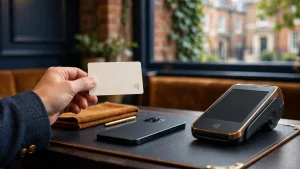
Before creating an account, confirm that the operator holds a current UK Gambling Commission licence for serving British customers. Then verify the precise minimum in the cashier itself. If the amount appears only in a headline and cannot be matched to the live deposit screen, regard the claim as unconfirmed rather than treating it as a feature of the casino.
Pay by SMS: Why a £3 Deposit May Not Be Available
Paying through your mobile phone account can look like a way to make a small casino deposit, but the payment route does not set the cashier minimum. The operator decides which methods it accepts and the minimum attached to each one. A casino may offer mobile billing without allowing a £3 deposit, or may not offer it at all.
A specialist casino review describes £1 deposits as rare and associated with particular mobile-billing services, including Boku and Payforit. That is not evidence that every casino offering either service accepts £1 or £3. The cashier is where you can confirm whether the method is currently available to you and what minimum applies.
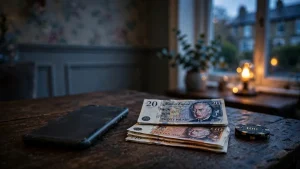
There is also a compliance check. UK-licensed casinos cannot accept credit-card payments for gambling, including credit-card funding routed through a money service business. Do not assume that a charge placed through a phone account is acceptable simply because it appears as a mobile payment. Use the method only if the licensed operator lists it as an eligible deposit route and its terms make clear how it is processed.
Before selecting pay by SMS, read the cashier’s method-specific terms. Check whether the stated minimum is for that payment route or for deposits generally, and whether the amount shown at confirmation matches what will be credited to your casino balance. If the cashier does not offer the method or its terms do not explain the minimum, do not infer that a £3 deposit will work.
A low figure in a review can describe a limited payment option rather than a general cashier minimum. For a £3 deposit, the decisive detail is the current minimum displayed by the operator for the payment method you intend to use.
Which payment methods usually accept £1 deposits?
Debit cards and some e-wallets can support £1 deposits, although casinos may restrict particular methods at that level. Boku and Payforit mobile billing are also associated with rare £1 deposit options.
What is the maximum wagering requirement in Great Britain?
Since 19 January 2026, gambling incentives in Great Britain cannot require more than 10x wagering of bonus funds.
How should players choose a low-deposit casino in the UK?
Check the cashier’s minimum for your chosen payment method, then compare it with the casino’s withdrawal minimum and any bonus qualifying deposit. A £1 deposit may not qualify for a welcome offer, and some casinos set withdrawal minimums above £1.
Are low-deposit casinos safe to use in the UK?
Use an operator that holds the relevant UK Gambling Commission licence to serve customers in Great Britain, and make sure you are at least 18. A low deposit amount itself does not establish whether an operator is licensed.
Casino Types: Deposits, Apps and Payment Methods
Content created by the «goodthingsshare» team