
Understand the trade-offs before connecting
 Available in US

See how VPN connections affect the location signals a casino receives and what to check about access, verification and payouts.
How VPN-Friendly Casinos Handle Online Access
A VPN-friendly casino is an online gambling site that permits players to connect through a virtual private network. The term describes how the site handles a connection; it does not describe a special type of casino software or a particular VPN product. To understand what the label means in practice, it helps to follow the connection from your device to the casino.
Without a VPN, your device connects to the internet through your internet service provider. The casino receives a connection associated with your public IP address. That address can indicate the network and approximate location from which you are connecting. It is not the same as your home address, but it gives the site a network-level location signal.
With a VPN, your device first creates an encrypted connection to a VPN server. Your internet traffic then passes through that server before reaching the casino. The casino sees the public IP address of the VPN server, rather than the public IP address assigned to your connection by your internet service provider. If the server is outside the UK, the IP address presented to the casino can therefore appear to come from outside the UK.
This changes the route and the address visible at the casino’s end. It does not move your device or change the underlying details of your internet account. Nor does it mean that every casino will accept the connection. A site can recognise that the IP address belongs to a VPN network, or apply rules that block connections it does not accept. A VPN-friendly casino is one that allows this kind of connection under its access arrangements.
The word “allows” matters. A VPN does not make a casino compatible by itself. The VPN provides a route to the site and presents a different IP address; the casino decides what connections its systems will admit. One site may let a VPN connection reach its pages, while another may refuse it. Even when the pages load, access to the account or particular functions can be subject to the operator’s own rules.

The connection also has more than one stage. Your device connects to the VPN server, and the server connects to the casino. The encrypted tunnel applies between your device and the VPN server. From the casino’s perspective, the request arrives from the VPN server’s IP address. This is why a change in IP can affect how the casino classifies the connection without changing the player’s physical location.
That distinction helps explain why connecting successfully is not the same as completing every account process. A VPN changes the IP address the site sees, but KYC verification remains separate. KYC is the operator’s process for checking a customer’s identity and other account details. The IP address is a network signal; it is not, by itself, proof of identity. A VPN connection therefore cannot substitute for identity checks or determine their outcome.
The same separation applies to the casino’s website and account systems. A VPN may allow a page request to reach the site, but access to an account can involve additional checks. If a request is blocked, the cause may be the casino’s rules for VPN traffic, the address of the VPN server, or the way the connection is routed. Changing the visible IP address does not guarantee that the site will accept the session.

If you use a VPN during a casino session, keep it active throughout the session. Switching it off partway through changes the connection the casino receives: requests that previously came through the VPN server may then arrive from your ordinary internet connection. That change can make the session appear to come from a different IP address. Keeping the route consistent avoids an unexplained change in the network address during play, although it does not determine whether the casino permits your use of a VPN.
The practical meaning of “VPN-friendly” is therefore narrow: the casino accepts connections made through a VPN, rather than automatically rejecting them. The VPN alters the visible network route and IP address; it does not alter your actual location, replace identity verification, or compel a casino to grant access. Understanding those separate functions makes it easier to see what a VPN changes—and what it leaves unchanged.
What “Best” Means When a Casino Accepts VPN Connections
If you’re considering a VPN-friendly casino in the UK, check each operator’s current VPN and location rules before signing up. The information available here covers payout speed only, so it cannot confirm VPN acceptance.
-
SlotoSport
- Payout speed
- 1-3 business days
SlotoSport has a stated payout speed of 1–3 business days. No information is available here to confirm its VPN policy.
-
SpinFormula
- Payout speed
- 1-3 business days
SpinFormula has a stated payout speed of 1–3 business days. No information is available here to confirm its VPN policy.
-
Chanze
- Payout speed
- 1-3 business days
Chanze has a stated payout speed of 1–3 business days. No information is available here to confirm its VPN policy.
-
NightLuck
- Payout speed
- 1-3 business days
NightLuck has a stated payout speed of 1–3 business days. No information is available here to confirm its VPN policy.
-
Zombillion
- Payout speed
- 1-3 business days
Zombillion has a stated payout speed of 1–3 business days. No information is available here to confirm its VPN policy.
-
NightWin
- Payout speed
- 1-3 business days
NightWin has a stated payout speed of 1–3 business days. No information is available here to confirm its VPN policy.
-
Revery Play
- Payout speed
- 1-3 business days
Revery Play has a stated payout speed of 1–3 business days. No information is available here to confirm its VPN policy.
-
Jetsetspins
- Payout speed
- 1-3 business days
Jetsetspins has a stated payout speed of 1–3 business days. No information is available here to confirm its VPN policy.
-
EvoSpin
- Payout speed
- 1-3 business days
EvoSpin has a stated payout speed of 1–3 business days. No information is available here to confirm its VPN policy.
-
Britsino
- Payout speed
- 1-3 business days
Britsino has a stated payout speed of 1–3 business days. No information is available here to confirm its VPN policy.
“Best” is not a property a casino acquires simply by allowing VPN connections. It is a judgement about whether the operator’s claims can be checked and whether its rules fit what you intend to do. A label such as “VPN-friendly” is only a starting point: it does not establish which players the casino accepts, what happens when you request a withdrawal, or which regulator oversees the operator.
Start with the operator’s licensing information. VPN-friendly casinos are mostly offshore operators licensed in Curaçao, the Isle of Man or Malta, but a jurisdiction named on a page is not, by itself, enough to assess the claim. Look for the regulator or licensing authority, the legal entity operating the site and the licence details. These should be presented clearly enough that you can match them to the operator’s own documents. If the site gives only a badge, or its pages identify different companies, you cannot reliably tell which entity is responsible for the account.
Next, look for a written statement about VPN access. It should make clear whether VPN connections are allowed, whether that permission applies to players connecting from the UK and whether there are restrictions attached. A general claim that the casino “supports VPNs” may refer only to technical access, not to acceptance of UK residents. The distinction matters: a site can load while its rules still exclude your location or reserve the right to restrict an account. Treat an unclear policy as unresolved, rather than interpreting silence as permission.
The same care applies to withdrawal rules. Read the conditions for requesting and receiving a payout, including any stated limits, fees, eligible payment routes and verification requirements. Check whether the rules distinguish between deposits and withdrawals: being able to fund an account does not demonstrate that you will be able to withdraw under the same conditions. The operator’s terms are more useful than a promotional claim because they describe the conditions it says apply when money leaves the account.
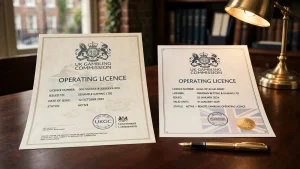
A useful comparison therefore rests on evidence you can locate, not on a ranking or a favourable label. Ask whether the licence details identify an accountable operator; whether the VPN policy explicitly addresses your circumstances; and whether the withdrawal rules explain the steps and restrictions that could affect a payout. If one of these points is missing or contradictory, the casino is harder to assess, even if its advertising describes it as one of the best VPN-friendly casinos.
Promotions need the same scrutiny. A bonus headline does not tell you how much qualifying play is required before winnings can be withdrawn, which games count or whether other conditions apply. One specialist review reports wagering requirements of 30x, 40x or 50x for offshore welcome bonuses, while other information gives requirements as high as 60x. Those accounts do not establish a standard for every casino; they show why the terms for the specific offer matter. If a bonus’s conditions are not stated plainly, do not treat the headline as a reliable measure of its value.
Also weigh what an offshore licence does not provide. Playing at an offshore casino that allows VPNs means giving up UK consumer protections. That is a material part of the comparison, not a small disadvantage to set aside because the site accepts a connection. The casino’s stated licence and policies help you understand who operates it and what it promises, but they do not turn an offshore site into a UK-regulated one.
Do
- Check for a written statement on VPN access
- Read the full withdrawal conditions
- Scrutinize bonus wagering requirements
Don't
- Rely on general "VPN-supported" claims
- Assume deposits and withdrawals follow same rules
- Treat bonus headlines as reliable value measures
A practical assessment can be recorded in a few lines: the named operator and licensing jurisdiction; the exact wording of the VPN policy; the withdrawal conditions; and any bonus rules you might use. Keep the source for each detail, such as the operator’s terms or licensing information, rather than relying on a copied summary. If the site changes its wording or its pages conflict, the evidence is no longer clear enough to support a confident judgement.
This approach does not identify a universally best VPN casino. It lets you distinguish a verifiable offer from an unsupported claim. For a UK player, the key question is not merely whether a casino accepts a VPN connection, but whether its identity, policy and withdrawal conditions are clear—and whether you accept the loss of UK consumer protections that comes with playing offshore.
Why VPN-Friendly Casinos Sit Outside the UK System
A VPN-friendly casino is generally part of a different regulatory system from a casino licensed to serve customers in Great Britain. Many such sites are offshore operators, with licences associated with jurisdictions such as Curaçao, the Isle of Man or Malta. A licence from one of those places is not a UK Gambling Commission licence, so it does not put the operator under the UKGC’s oversight.

The distinction is about the operator, not just the website’s location or the country shown in its terms. A business can run its gambling service from abroad, but that does not make it part of the British regulatory system. Remote gambling operators offering services to consumers in Great Britain are required to hold the relevant UKGC licence, regardless of where their key equipment is located. Offshore casinos that do not hold that licence operate outside the UKGC framework.
This matters because the protections attached to UK-regulated gambling do not travel with you when you open an account offshore. If you play at an offshore casino that accepts VPN connections, you give up UK consumer protections for that gambling activity. The operator is not answerable to the UKGC as a licensed operator, and the UK regulator does not supervise its account decisions or require it to follow UK rules.
An offshore licence may mean the operator is subject to conditions set by the authority that issued it. It does not make the operator UKGC-licensed, nor does it provide the same route through the British system. The operator’s regulator, licensing conditions and complaint arrangements may differ. You should therefore distinguish between “licensed somewhere” and “licensed to serve the British market”: those statements describe different regulatory relationships.
The practical difference becomes especially clear with self-exclusion. UKGC-licensed operators must participate in the British framework for safer gambling, which includes GamStop. Offshore casinos do not provide GamStop self-exclusion tools. If you have excluded yourself through GamStop, you should not assume that the exclusion will block an offshore site or prevent it from opening an account for you. The systems are separate, and the UK tool does not extend automatically to operators outside its scheme.
This separation also affects what happens if a dispute arises. A UKGC licence gives the regulator authority over the operator’s British-market activity. An offshore site without that licence is not subject to that UKGC oversight. Its own licensing authority may have a process for complaints, but that is not the same as access to UK protections. Before treating an offshore licence as reassurance, identify which authority issued it and what role that authority has; the word “licensed” alone does not establish that the UK system applies.
The phrase “VPN-friendly” can obscure this distinction. It describes a site’s approach to VPN connections, not its regulatory status or the protection available to a British player. A casino may permit connections through a VPN while remaining outside the UKGC system. Permission to connect is not a UK licence, and it does not restore consumer protections or GamStop coverage.
There is also an important difference between the player’s position and the operator’s. A UK resident playing at an offshore casino is not thereby committing a crime under UK law. That does not mean the casino is authorised to offer gambling to consumers in Great Britain. The regulatory obligation rests on the operator offering the service; a player’s lack of criminal liability does not turn an offshore casino into a UK-regulated one.
For that reason, treat a VPN-friendly casino and a UKGC-licensed casino as different categories, not interchangeable versions of the same service. The first may accept a connection while operating under an offshore licence; the second is within the UKGC framework. Offshore operators are not regulated by the UKGC and have no obligation to follow UK gambling rules. Knowing which system applies helps you understand what protections and self-exclusion tools are absent before you decide whether to use the site.

What Can Happen When You Use a VPN to Gamble
Using a VPN changes the route your internet traffic takes. The casino receives a different IP address from the one assigned by your internet service provider, and the connection may appear to come through a network outside the UK. This can get around an access restriction imposed by an internet service provider, but it does not establish that the casino accepts your location or permits VPN use.
The legal position and the operator’s rules are separate. UK law does not make using a VPN to gamble a criminal offence. That does not mean a casino must let you connect through one. An operator can set its own access conditions, and the consequences of breaching them are handled under its account rules rather than by treating VPN use itself as a crime.
The practical risk is greatest when masking your location hides information the casino uses to decide whether it can serve you. If the operator’s terms exclude UK players or prohibit VPN connections, a session that initially works can still lead to account closure. Any winnings may also be withheld or confiscated under the operator’s stated rules. A successful login is therefore not proof that the casino has accepted your eligibility or that a later withdrawal will be approved.
At a UKGC-licensed casino, a VPN can make the connection appear to come from somewhere other than the UK. The operator may block that IP address or prevent the session from continuing. This is a network-access response: it does not itself complete or replace identity checks. Know-your-customer verification is a separate process, so changing the address visible to the site does not establish who you are or remove the need for the casino’s checks.
A VPN can therefore produce two different outcomes. It may simply prevent access, because the casino recognises or blocks the connection. Or it may allow a connection at first, while the operator later reviews the account and applies its terms. In the second case, the delay between logging in and a review does not make the arrangement accepted. Account access and the right to keep winnings are distinct questions.
If you are considering whether to use a VPN for an online casino, treat the operator’s written policy as decisive for access, not the fact that the connection works. Do not assume that masking an IP address makes a prohibited location acceptable. Where the terms rule out UK players, attempting to conceal your location can put both the account and its balance at risk.
A VPN also encrypts the internet connection, which can help protect personal information from hackers or cybercriminals while data travels across a network. That security function is different from hiding eligibility from a casino. Encryption does not prevent the operator from applying its access rules, and it does not guarantee that the connection will be accepted. A VPN may change what the site sees at the network level; it cannot turn that technical change into permission to gamble there.
Crypto Payments, Location Checks and KYC
Paying with cryptocurrency does not make your casino account anonymous. A crypto deposit may reduce location checks and identity-verification friction for a small transaction, but the casino can still associate activity with the account you use on its site. It may collect device fingerprints, IP logs and browser data, including when you connect through a VPN.

These are separate layers of information. A crypto payment is the payment method; a VPN affects the network address visible to the site; KYC is the operator’s process for checking a player’s identity. Reducing friction in one layer does not remove the others. In particular, a VPN connection does not prevent the casino from recording the IP address it receives or gathering data about the device and browser.
Some offshore casinos allow a small withdrawal without asking for identity documents. That does not mean the account has passed every check or that documents will never be requested. A larger withdrawal can trigger KYC: some casinos set a threshold at £1,000 or its crypto equivalent. The operator may then ask for documents before processing the withdrawal. The amount and the applicable verification conditions depend on the casino.
This can make the timing of a check important. You might be able to deposit and play without being asked for documents straight away, then face a request when you try to withdraw a larger balance. Having used cryptocurrency does not override that request. Nor does a previous withdrawal without documents establish that later withdrawals will be handled the same way.
Treat a low-friction deposit as a payment option, not as proof that the casino cannot identify you. The account details, device information, browser data and IP logs can all remain relevant to the operator’s checks. If you use a VPN, the casino may still record the address associated with that connection; the VPN does not erase the fact that the site has collected connection data.
The KYC Threshold
Some offshore casinos allow small withdrawals without identity documents, but larger requests (for example, those reaching £1,000 or its crypto equivalent) often trigger a mandatory KYC process.
Before depositing, consider whether you could complete KYC if the casino asks for it. If you cannot or will not provide documents, a later verification request could leave a withdrawal unresolved. Crypto changes how funds are sent; it does not guarantee that identity checks will be skipped, or that a withdrawal can be completed without them. Operators must also verify a customer’s age before allowing funds to be deposited into a gambling account, so a payment method should not be mistaken for an exemption from age checks.
The practical distinction is between fewer checks at an early stage and no checks at all. A casino may apply less friction to small transactions while retaining the ability to request documents later. Therefore, do not infer from a successful crypto deposit—or a small withdrawal processed without documents—that the same account will avoid verification when the amount or circumstances change.
What to Check in a VPN Casino Site’s Terms
A site’s claim that it welcomes VPN connections is not enough to establish that you can open an account from the UK or keep it after a win. Read the terms that govern both your location and your connection. Look for direct wording on whether UK residents may register, deposit and play, and whether VPN use is permitted for those activities. A general statement about VPN access may not answer the separate question of whether UK players are accepted.
Confirm who may use the site
Find the eligibility and restricted-country clauses, then check whether the UK is named. Terms may distinguish between being able to visit a site and being eligible to gamble there. If UK residents are excluded, an advertised VPN allowance does not override that restriction. Do not use a UK address during KYC if the terms prohibit UK players; masking your connection does not make a prohibited account eligible.

Check that the terms identify the operator and its licensing jurisdiction. An offshore casino is not regulated by the UK Gambling Commission and has no obligation to follow UK laws. Playing at an offshore casino that allows VPNs also means giving up UK consumer protections. Those consequences matter even when the site’s wording sounds permissive.
Pin down what “VPN allowed” means
Read the clause itself rather than relying on a banner or a short promotional description. Does it allow VPN use for account access, or does it also permit gambling and withdrawals through that connection? Does it prohibit connections that make your actual country unclear? If the terms do not clearly cover the activity you intend, treat the permission as uncertain and ask the operator for a written clarification before depositing.
Check for related conditions in account, fraud-prevention and withdrawal sections. A VPN permission in one paragraph may not settle how another clause applies when the operator reviews an account. Note what the terms say about account closure, withheld winnings and the information the operator may request if it considers the account in breach. Do not assume that a favourable answer from support changes the written terms unless the operator confirms the change in writing.
If the terms expressly permit VPN use, keep the VPN active throughout the casino session. A change in connection during play can trigger automated systems, so do not treat permission to connect through a VPN as permission to switch locations or connection settings freely.
- Confirm the UK is not in the restricted-country clause
- Verify VPN use is permitted for gambling and withdrawals
- Check for clauses allowing the operator to change VPN policies
- Save a copy of the current terms and the date checked
Check whether the policy can change
Look for a clause allowing the operator to amend its terms or VPN policy, and note how it says changes will be communicated. Offshore casinos may change VPN policies at any time without notice. A statement that applies when you register may therefore not describe the policy later. Before using the account again, check the current terms and any notice shown in the account or on the site.
Keep a copy of the relevant wording and the date you checked it. If the operator later disputes whether VPN use was allowed, the precise clause matters more than a general description of the site as VPN-friendly. If the wording is inconsistent, missing or unclear about UK eligibility, do not treat the uncertainty as permission.
Are VPNs Allowed at UK Online Casinos?
A VPN connection does not change which gambling rules apply to an online casino serving customers in Great Britain. The UK Gambling Commission is the sole regulator for commercial gambling there, including online casino activity. Its remit follows the service offered to consumers, not the physical location of the operator’s key equipment.
That distinction matters because routing a connection through another country does not move the gambling service outside the UK regulatory framework. A business offering remote gambling to people in Great Britain must hold the relevant UKGC operating licence. The Commission issues operating licences to businesses and personal licences to individuals who perform regulated roles; a VPN does not replace either kind of licence or alter the operator’s obligations.

For you as a player, this means that a site’s willingness to accept a VPN connection is not the same as UK regulatory approval. A VPN changes the network route and the IP address visible to the site, but it does not remove the operator’s duty to establish where its customers are located. UKGC-licensed operators must verify player location, so an IP address that points outside Great Britain cannot, by itself, settle that check.
The answer to whether VPNs are allowed at UK casinos therefore depends on what “allowed” means. UK law does not criminalise using a VPN to gamble, but that does not mean a UKGC-licensed casino must accept VPN connections or treat them as proof of a player’s location. Most UKGC-licensed operators block VPN connections. Their access controls and verification procedures remain in place even when a connection is encrypted or routed through another country.
The practical distinction is between the player’s use of a privacy tool and the operator’s regulatory duties. A VPN can alter the connection presented to a casino; it cannot change the rules governing a licensed service or remove the location checks required of its operator.
Bitcoin Withdrawals and Other Payout Routes
A Bitcoin withdrawal is a crypto payout, so its reported timing is not directly comparable with a bank transfer. A specialist review of VPN-friendly casinos describes crypto withdrawals as being processed within minutes to a few hours. Treat that as a report about the operators covered by that review, not a fixed time that every casino or Bitcoin transaction will meet. The casino’s own processing and the payment route both affect when funds arrive.
Crypto Payouts
Processed quickly, often within minutes to a few hours.
Fiat Withdrawals
Typically take between 1–5 days via e-wallet or bank transfer.
Card Payouts
Uncommon at VPN-friendly casinos; usually not available for cashing out.
The same specialist review gives a range of 1–5 days for fiat withdrawals by e-wallet or bank transfer. That range combines two different routes, so it should not be read as a guaranteed delivery window for either one. Other descriptions put e-wallet withdrawals at about a day, but processing times can vary between operators and payment services. A bank transfer follows a different route from a crypto payout; the reported crypto timing cannot be used to predict how long a bank withdrawal will take.
For a VPN-friendly Bitcoin casino, check which payment method the cashier supports for withdrawals, not only for deposits. A site may accept a particular crypto for deposits without offering it as a payout route. Confirm the currency and destination details shown in the withdrawal instructions before submitting a request; a mismatch can prevent the payment from being sent as intended.
Card withdrawals are uncommon at VPN-friendly casinos, so do not assume that a card used to deposit will also be available for cashing out. The available choices are operator-specific, and the cashier or withdrawal terms are the relevant place to confirm them. Compare the stated timing for the exact route you plan to use, and distinguish a reported processing estimate from a promise of when money will reach your account.
How a Casino VPN Connection Can Be Identified
A VPN changes the IP address a casino sees, but it does not make your device invisible. The site can still record the connection’s IP address and collect browser data and a device fingerprint. These signals describe the session and the device accessing the account; they are separate from the network address.
A device fingerprint is a set of technical characteristics that can help a site recognise a device across visits. Browser data may also help link sessions. So, even if a VPN connection presents a different IP address, other recorded signals can remain available to the casino. A changed IP alone does not erase those records or guarantee that two visits will appear unrelated.

Encryption has a different job. A VPN encrypts the internet connection, helping protect information in transit from hackers or cybercriminals. It does not prevent the casino itself from receiving information your browser sends to its site. The distinction is between protecting data on the route and limiting what the destination can collect.
Crypto deposits may reduce location checks and KYC friction for small amounts, but they do not remove technical signals from a session. Casinos can still collect device fingerprints, IP logs and browser data. A payment method and a VPN therefore affect different parts of the interaction: neither should be treated as a way to conceal all activity from the casino.
When a Casino Says It Allows VPNs
An advertised VPN allowance is not, by itself, confirmation that you can open and keep an account from the UK or withdraw winnings. The wording may describe a technical connection policy without establishing that UK residents are accepted. Before registering, check whether the operator’s current terms explicitly cover both your location and VPN use, and whether those conditions apply when you request a withdrawal.

Policies can change, including without notice. A statement on a promotional page may therefore differ from the terms that govern your account. Read the current rules rather than relying on a headline or an old description, and keep a record of the wording you relied on. If the policy is unclear, do not treat silence as permission.
Hiding your location with a VPN can still lead to account closure and confiscated winnings if the operator considers your access to breach its rules. An allowance does not override other account conditions or guarantee a particular outcome. Playing at an offshore casino is not illegal for a UK resident, but using one means giving up UK consumer protections.
Treat “VPN-friendly” as a claim to verify, not a promise about account access or payment. The decisive question is whether the operator’s current terms clearly permit your circumstances and explain what happens to an account and its balance if those terms are not met.
Should you use a VPN for online casinos?
A VPN can encrypt your connection and help protect personal information, but it may also lead a casino to block your connection. Check that the casino allows VPN access and understand the risks before using one.
Are VPN-friendly casinos legal for UK players?
Yes, UK residents are not committing a crime simply by playing at an offshore casino, or by using a VPN to gamble. However, playing at an offshore casino means you give up UK consumer protections, and these casinos do not provide GamStop self-exclusion tools.
How do I withdraw winnings from a VPN casino?
You can withdraw by e-wallet or bank transfer, which typically takes 1–5 days; e-wallet withdrawals take about a day. Crypto withdrawals are usually processed within minutes to a few hours, while bank card withdrawals are rare. The casino may require KYC documents, particularly after larger withdrawals.
Can I use a VPN to play at online casinos in the UK?
Using a VPN to gamble online is not criminalised by UK law, but most UKGC-licensed operators block VPN connections and must verify your location. Some offshore casinos allow VPN access, but playing there means forfeiting UK consumer protections.
Why do UK players use VPNs for casinos?
A VPN can mask your IP address and route your connection through a network outside the UK, which may bypass access restrictions imposed by UK internet service providers. It also encrypts your connection, helping protect personal information from hackers or cybercriminals.
Non-UK Casinos: Licences and UK Player Searches
Content created by the «goodthingsshare» team